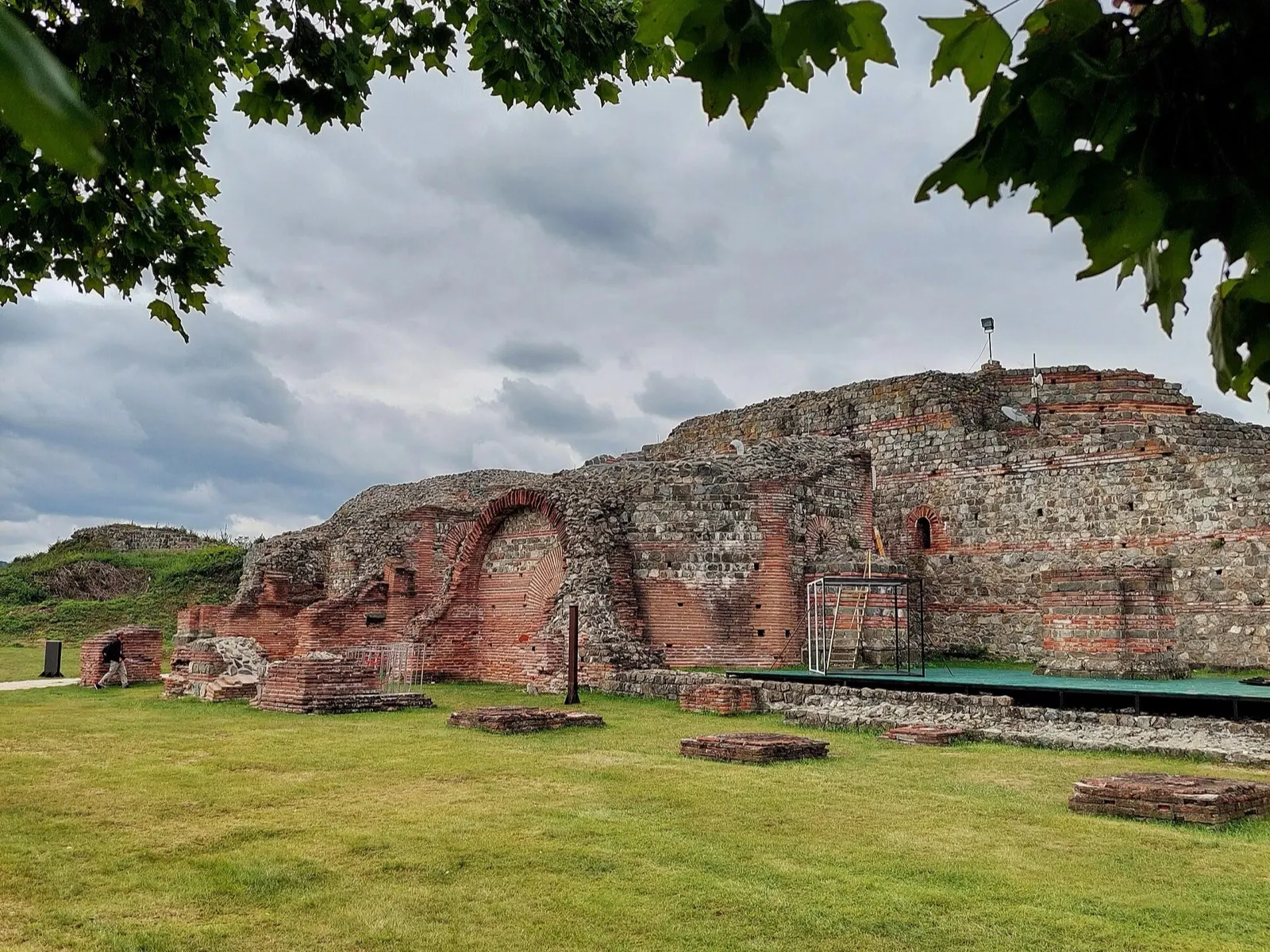
Felix Romuliana (Gamzigrad)
Emperor Galerius' palace complex, a UNESCO World Heritage Site since 2007 and Serbia's most important late-Roman site.
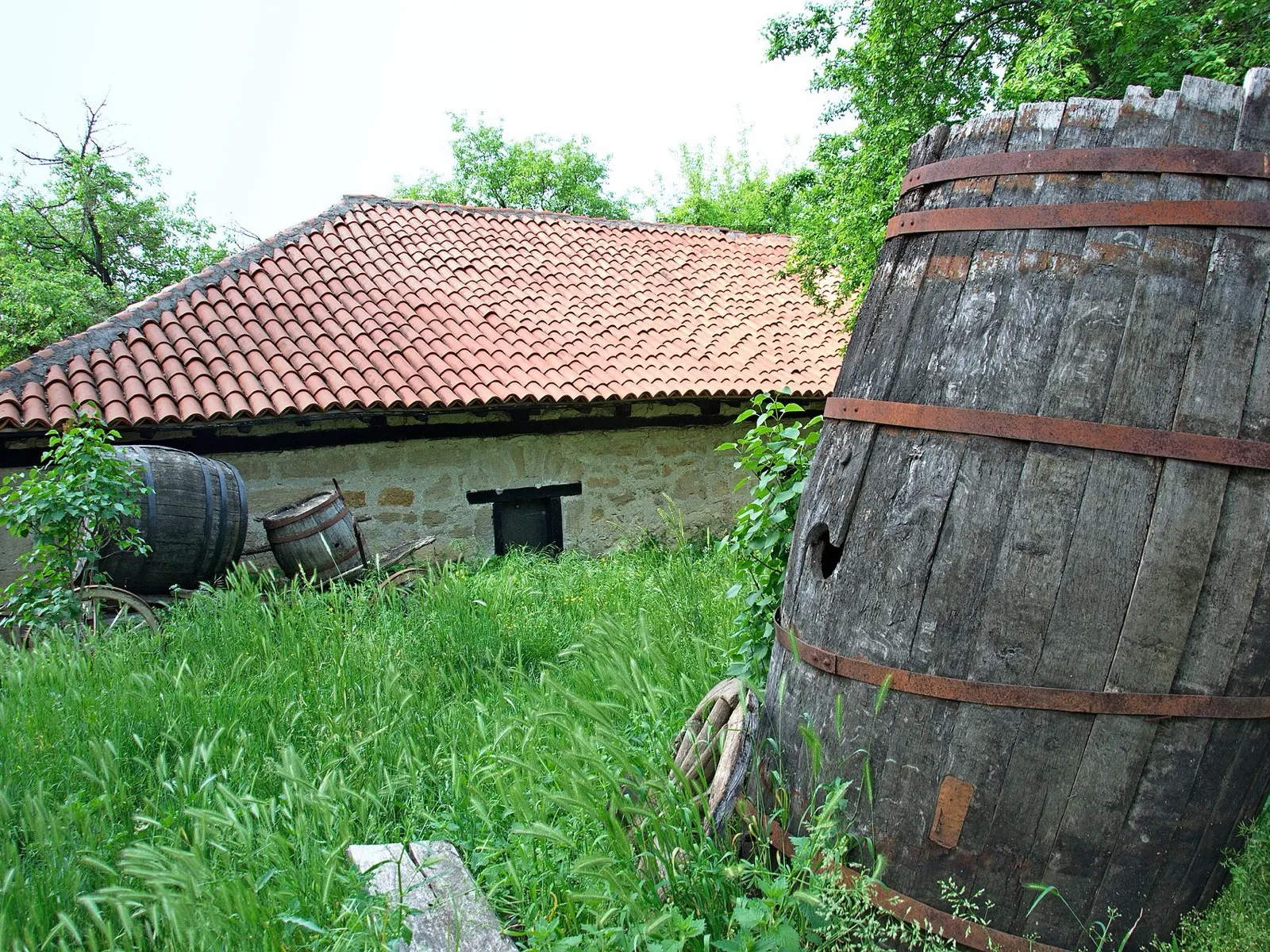
Negotin wine country
270 stone wine-cellar houses on a hillside – a village where the wine, not people, has always lived.
Not far from the village of the same name, on the Beli Breg hill above the Timok, stands an ensemble without parallel: the Rajačke pivnice, also called pimnice. The complex is protected as a spatial cultural-historical unit of exceptional importance and is, together with the Rogljevo cellars, a candidate for the UNESCO World Heritage List.
Some 270 cellar houses stand around a central square with a fountain. They were built between the mid-eighteenth century and the 1930s from dressed stone and beams, with walls often 60 centimetres thick and partly dug into the ground to keep the temperature stable year-round. Upstairs were rooms used during harvest and maturation. The roofs are covered with barrel tiles.
The houses stand in rows linked by winding lanes. Each has two opposing doors or windows through which a wooden chute – the gurma – was placed to pour grapes into the vat. The entire winemaking process happened inside the cellar. Hence the line that always comes up about this place: these are houses in which the wine has always lived.
The hotel map goes live as soon as the Stay22 property ID for zajecar.eu is in place. Until then the editorial recommendations below cover the options.
Emperor Galerius' palace complex, a UNESCO World Heritage Site since 2007 and Serbia's most important late-Roman site.
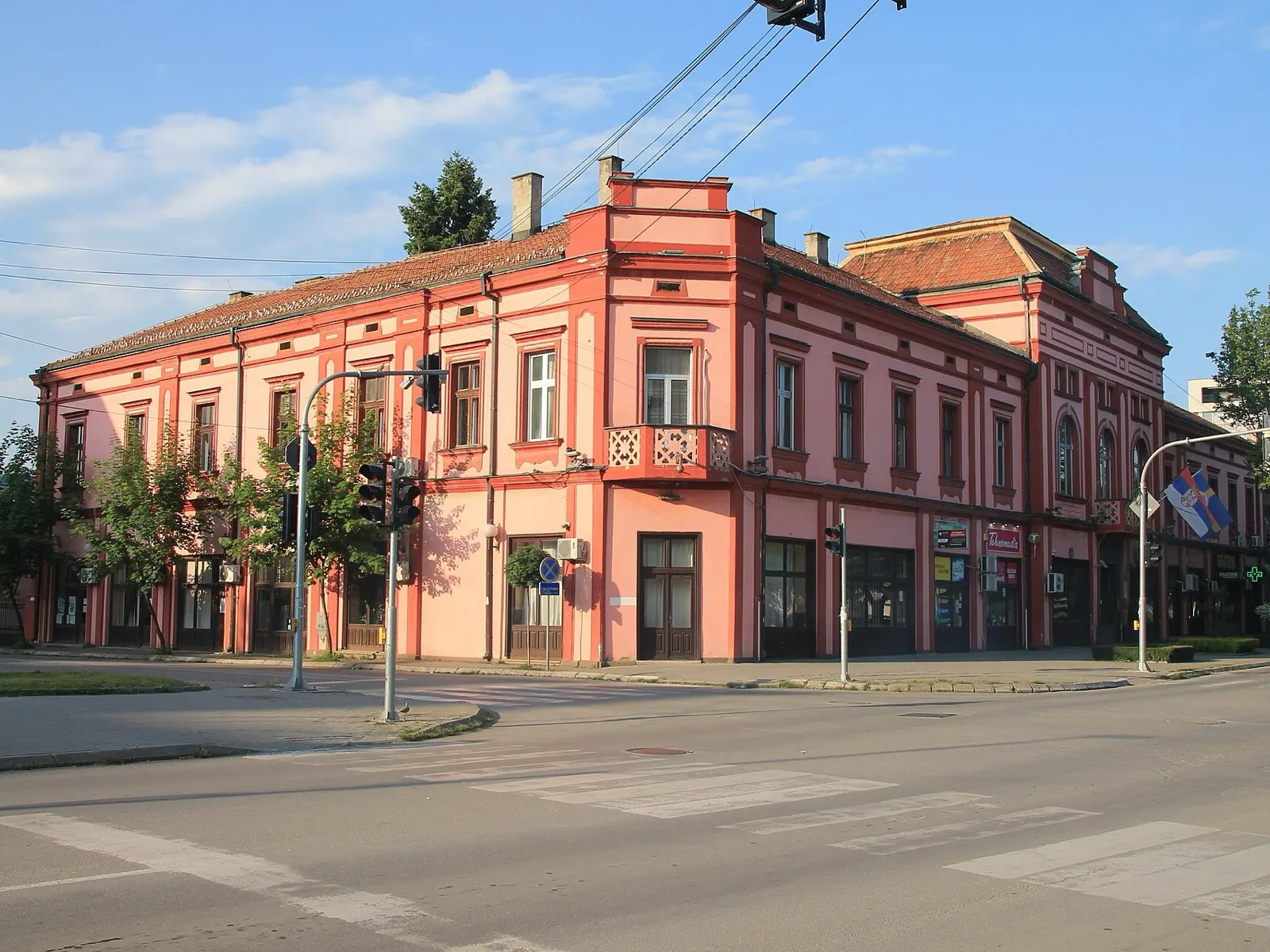
Founded in 1951 on the main square – home to the finds from Felix Romuliana.
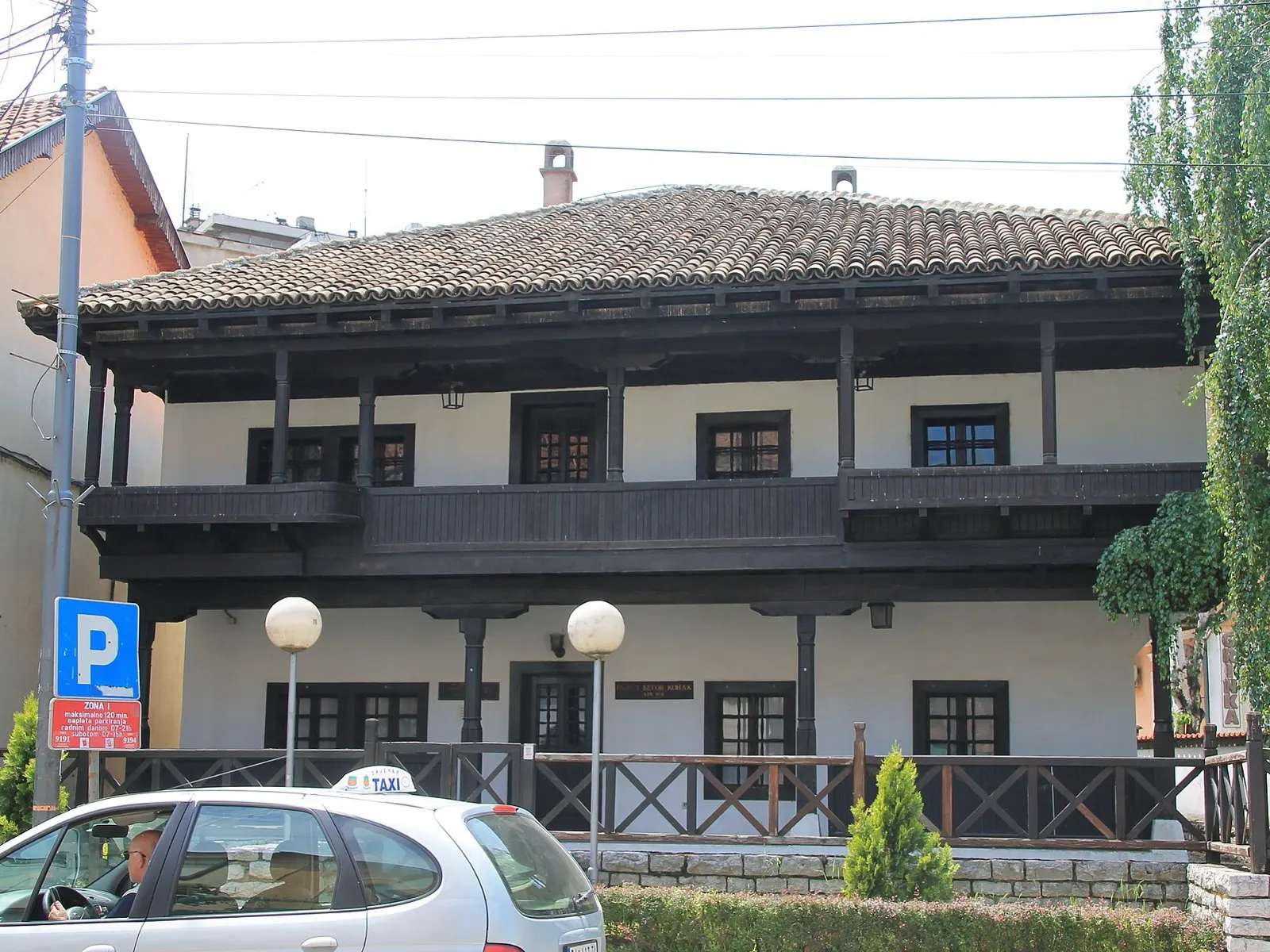
The town's oldest surviving residence, now home to the “Old Zaječar” exhibition and a sales gallery.